

Memories And Traditions
The experiences dedicated to memories and traditions bring together places where the past is still a readable presence. You enter museums, villages, archaeological sites, and workshops to understand how communities lived, what materials they used, and their everyday life.
From Torre del Nera, you can reach different stops in a more historic and less predictable Umbria. They are experiences unlike one another, yet united by the idea of coming closer to history through concrete places, where every detail helps imagine the life that passed through them.
A loom, an ancient road, a reconstructed workshop, or a display case can tell more than an explanation in books. It is a way to come to know Umbria beyond the more familiar image of its landscapes, entering the material memory of its communities.
Would you like to devote a day to discovering Umbrian memories and traditions? Contact us to receive information on visits, travel times, and the itineraries best suited to your stay at Torre del Nera.
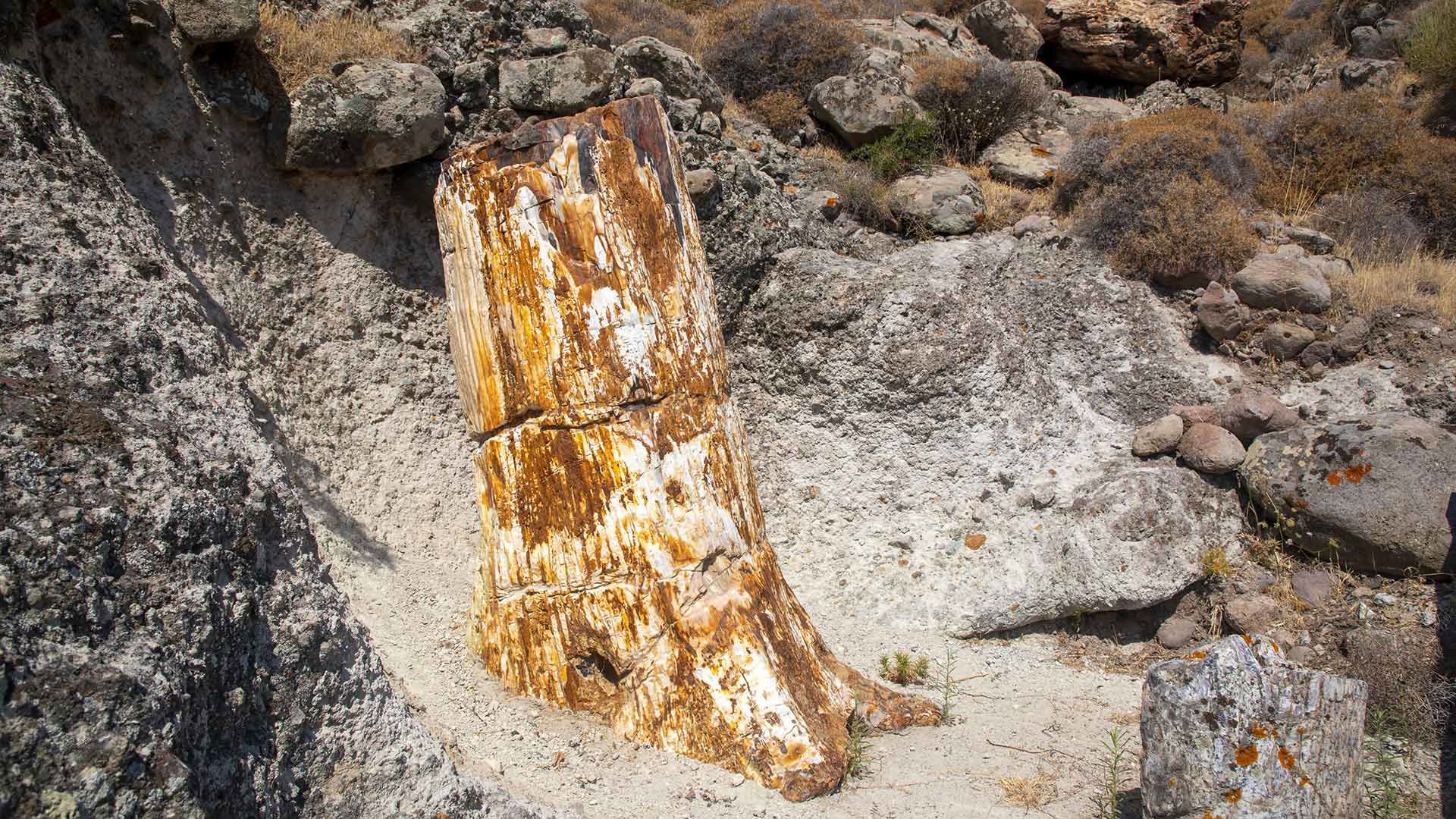
The Dunarobba Fossil Forest is a rare place, where the time of nature far exceeds that of humankind. The fossil trunks, still standing upright, bring back the image of a most ancient landscape, preserved in the earth for millions of years.
The visit leads into a deep memory of the territory, older than the villages, the roads, and the cultivated fields. It is an experience that calls for a gaze capable of imagining what no longer exists today and of recognizing, in fossil matter, a silent form of storytelling.
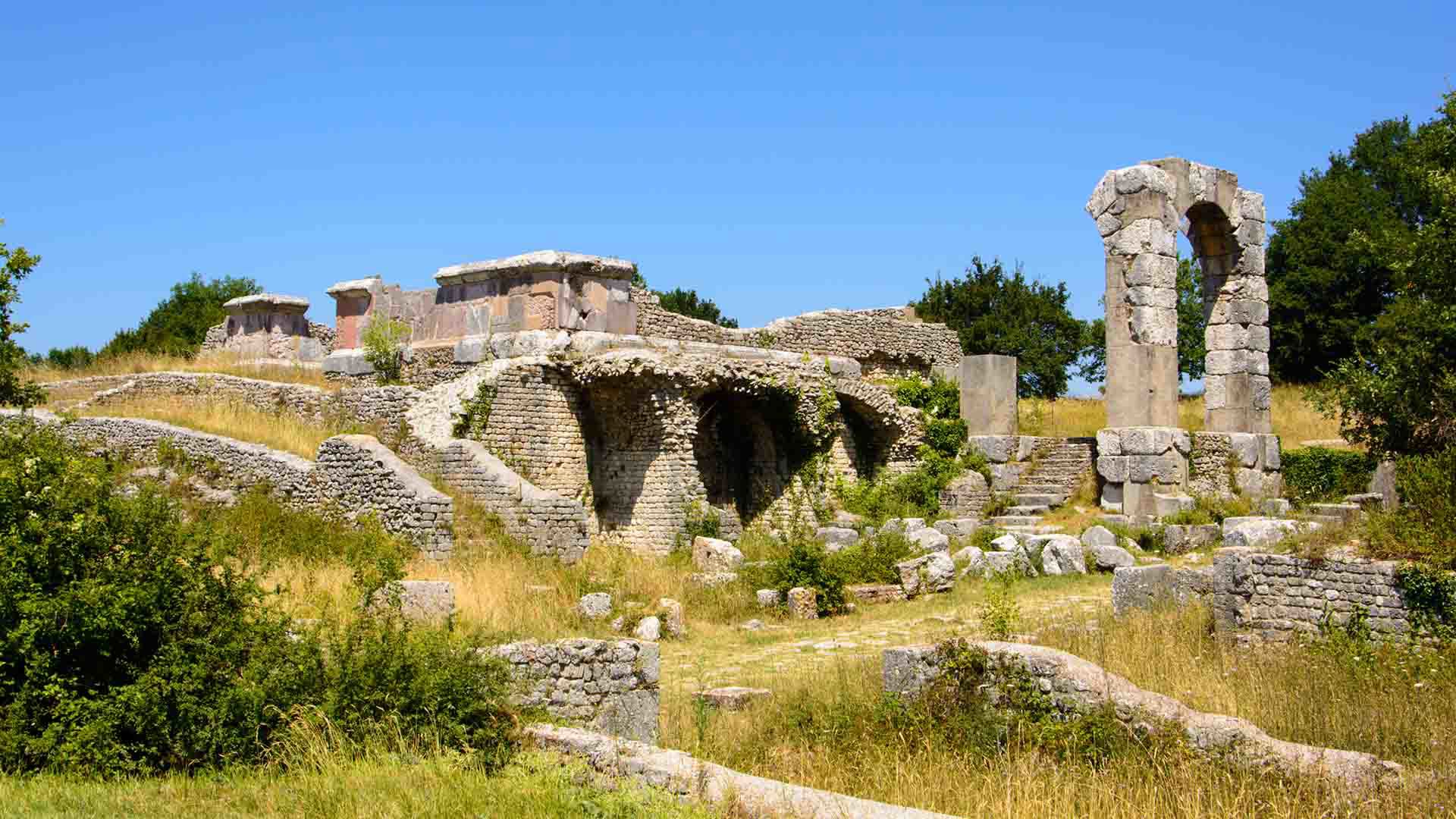
Carsulae allows you to walk inside a Roman city, with its roads, the remains of its buildings, and the ancient route of the Via Flaminia helping you understand how life was organized in a center crossed by people, trade, and relationships.
The ruins, immersed in the Umbrian countryside, are exposed to light, wind, and the Umbrian fields, making the bond between history and territory more immediate. This is what makes Carsulae so particular: the ancient city does not seem separate from the present, but continues to exist as a still-readable trace of the Roman passage through Umbria.
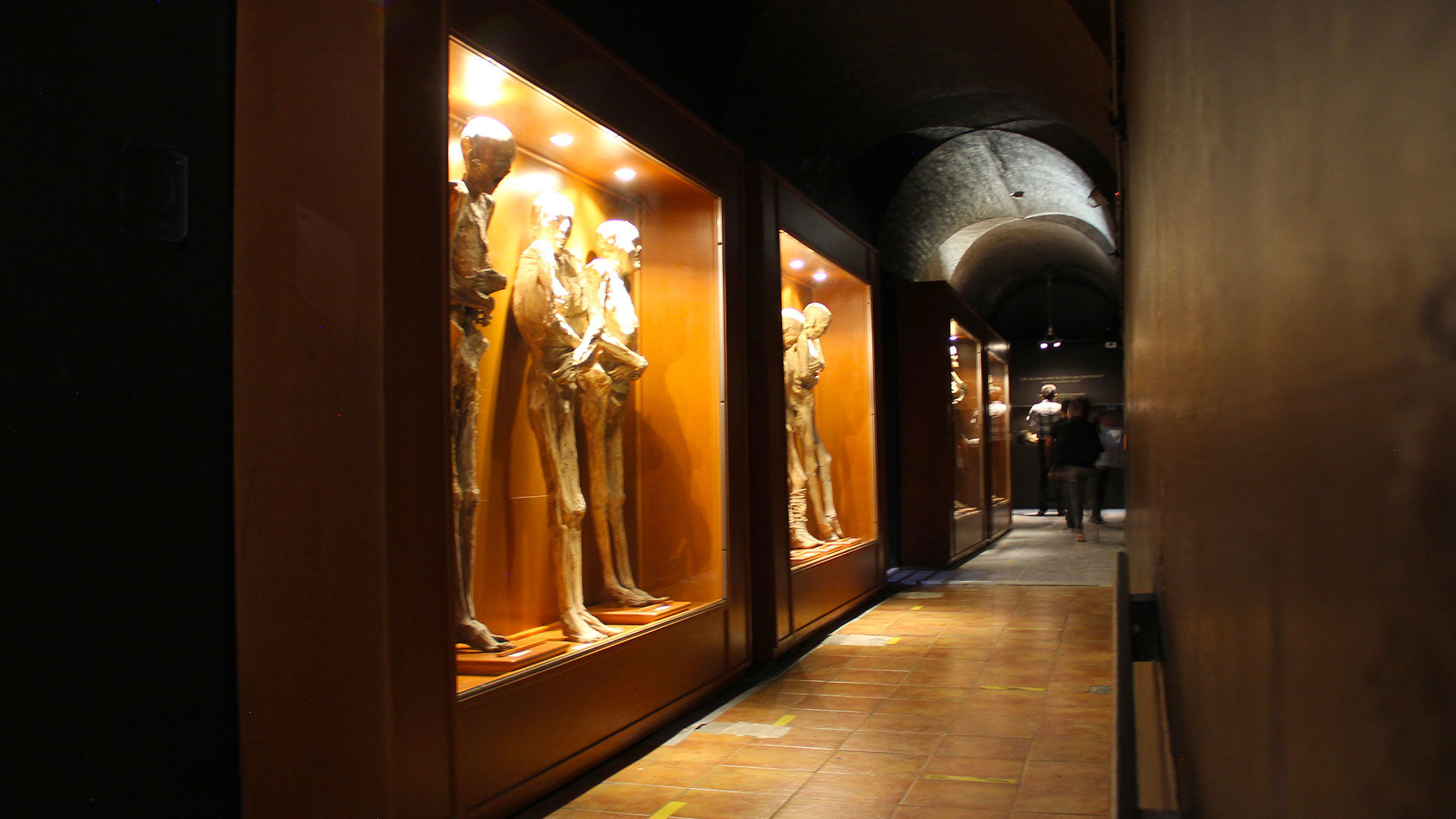
The Museum of the Mummies of Ferentillo becomes the guardian of an unusual memory. The naturally preserved bodies tell the story of the community and of its relationship with beliefs, burial, and death.
It is a visit that strikes deeply because it places you before real presences, once belonging to people who lived in those places. For this reason, it calls for respect and attention. At the Museum of the Mummies, memory becomes physical and difficult to forget.
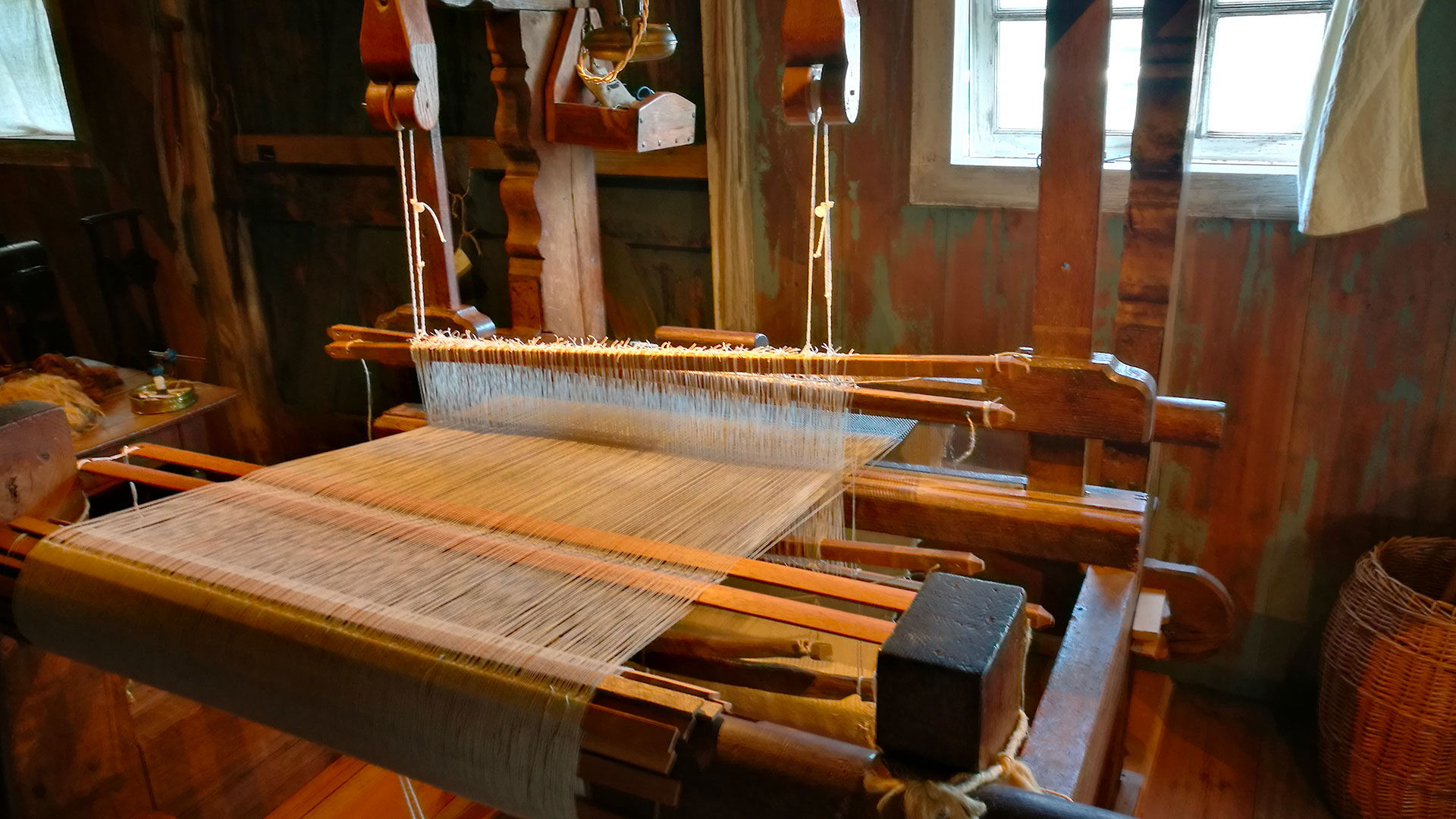
The Hemp Museum tells an important part of everyday life and work in the Umbrian territories. Hemp was cultivated, transformed, spun, and woven through gestures that involved entire communities.
Each stage of the process restores the value of a material that accompanied domestic and agricultural life. Visiting the museum means coming closer to a practical knowledge, made of hands and tools, of patience and necessity.
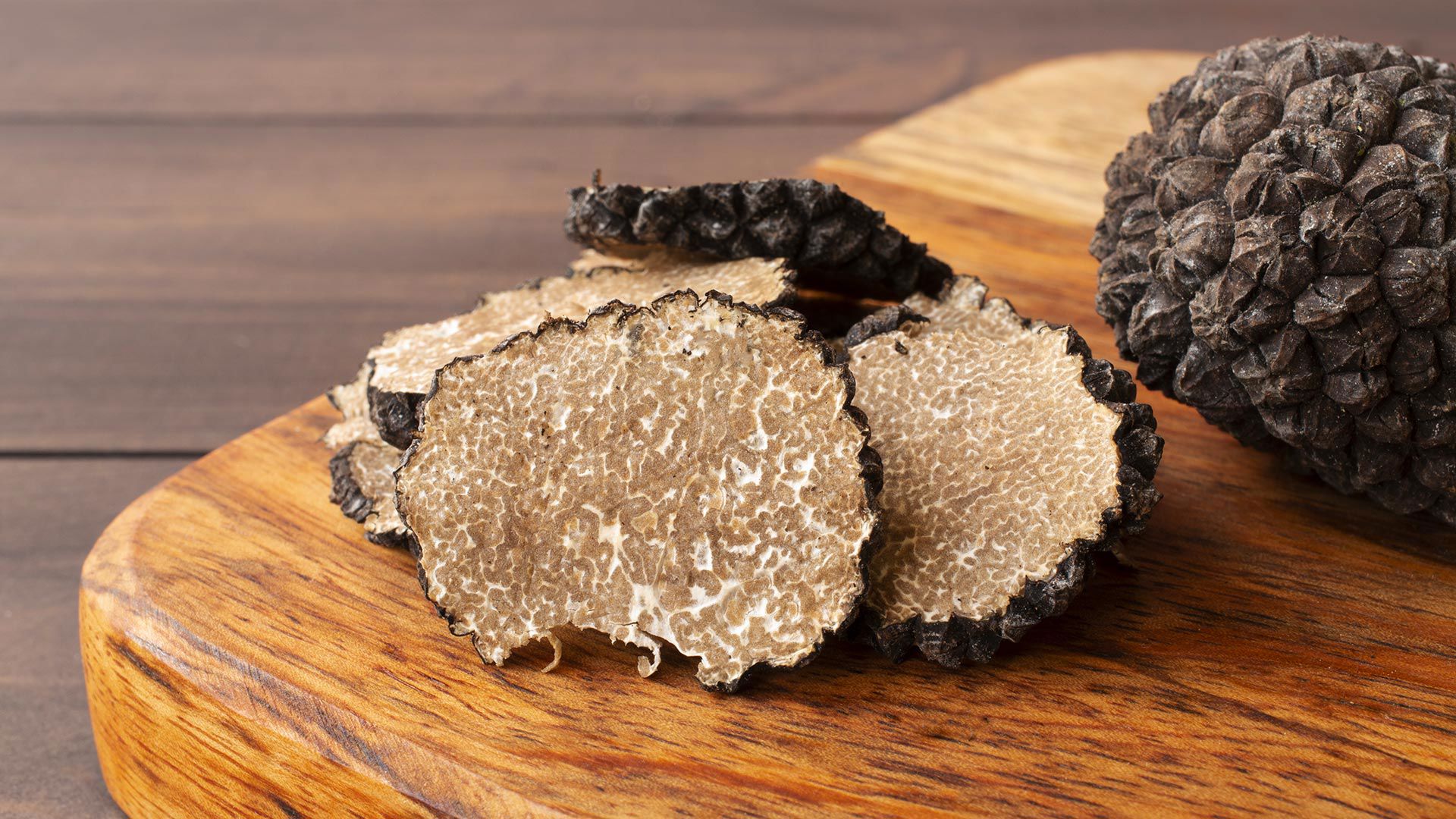
The Urbani Truffle Museum is a stop especially tied to the identity of Scheggino. Here, truffle belongs to the history of the village, to its economy, and to its image in the world.
The visit allows you to better understand this bond, following the story of the search, the processing, and the culture born around truffle. It is a way to understand why this product has played such an important role in the Valnerina and why, even today, it continues to represent a living part of local memory.
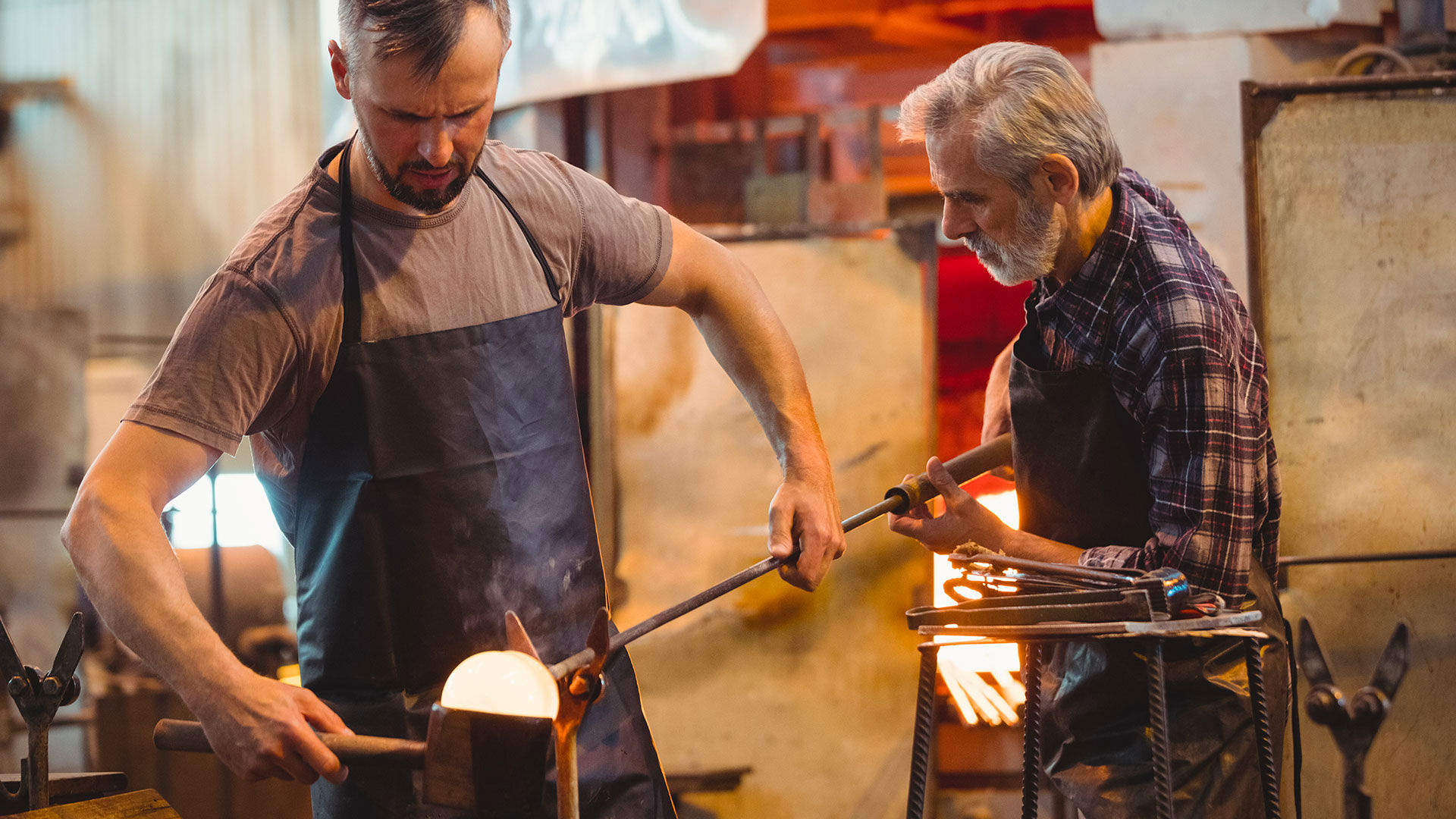
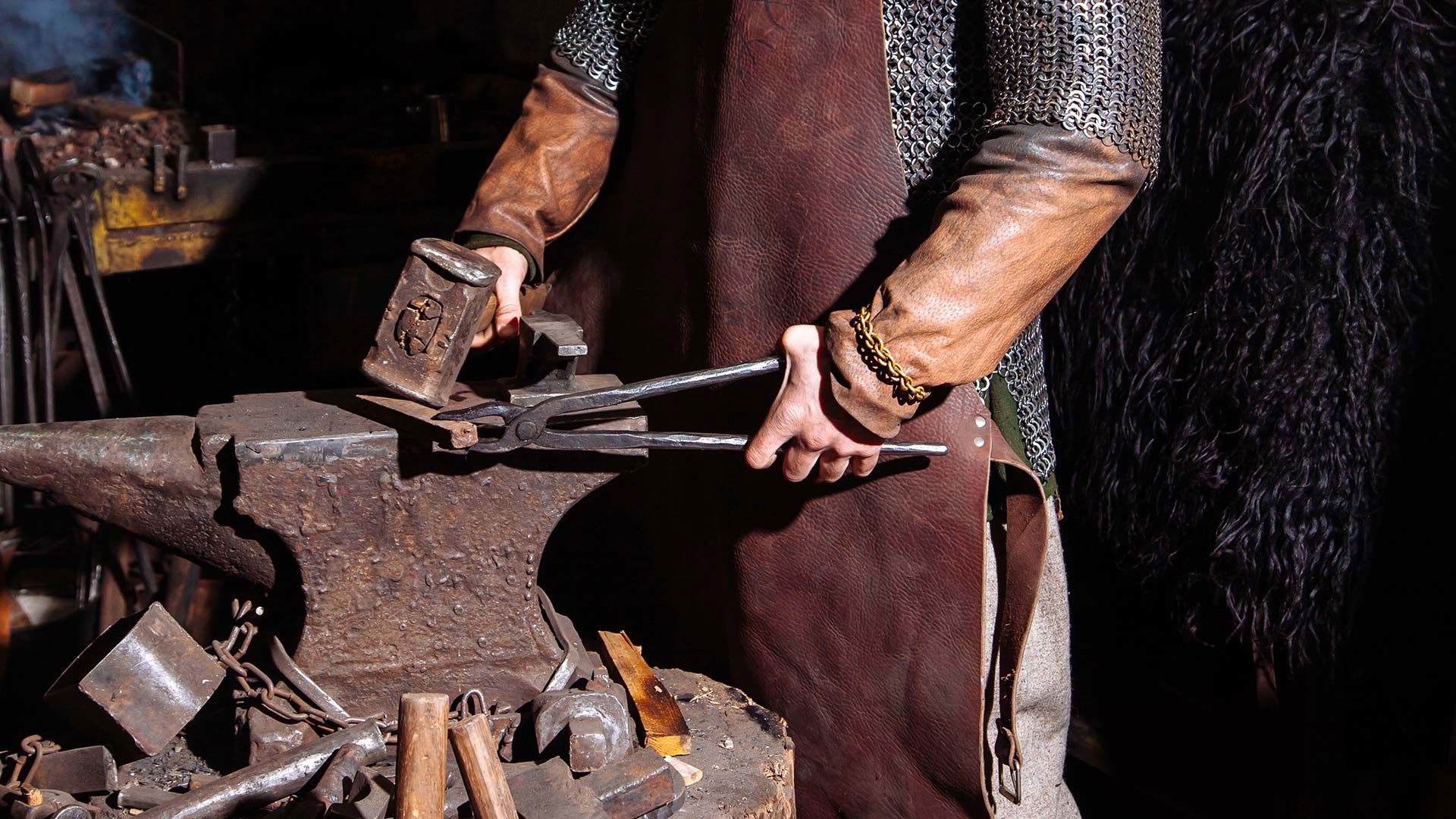
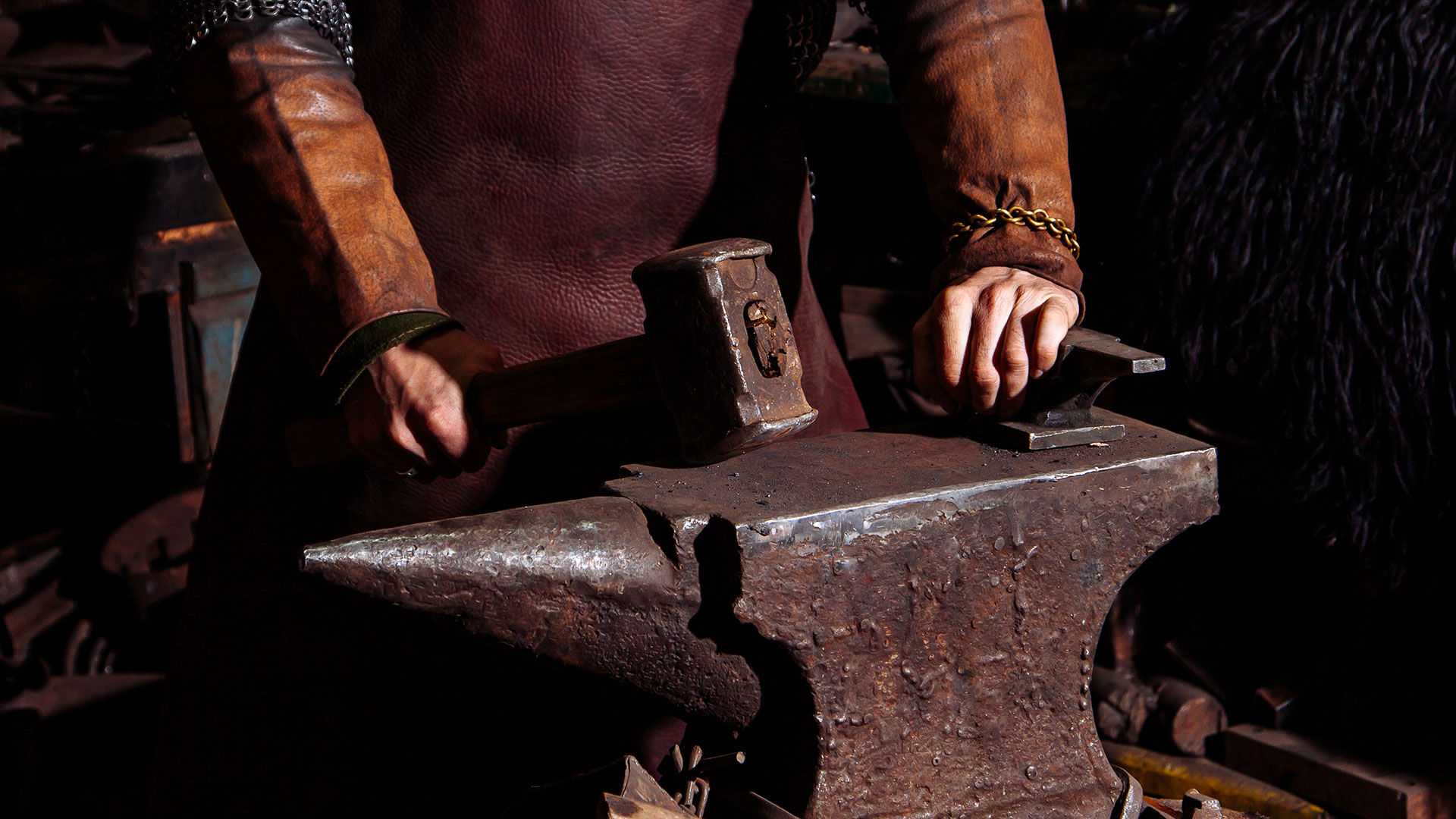
The Cultural Circuit of Medieval Crafts in Bevagna allows you to enter history through work. The reconstructed workshops tell of techniques, materials, and gestures that belonged to the everyday life of the medieval village, restoring a concrete image of how people produced, traded, and inhabited the city.
Paper, wax, silk, and iron become tools for understanding an ancient age. It is an experience suited to those who wish to come closer to the memory of Umbria starting from its crafts, its workshops, and the material culture of its villages.