

Surroundings
One region, many directions
Leaving the village behind, the landscape changes tone, moving from the intimacy of the Valnerina to the vastness of the mountains, from the freshness of places of water to the density of historic cities.
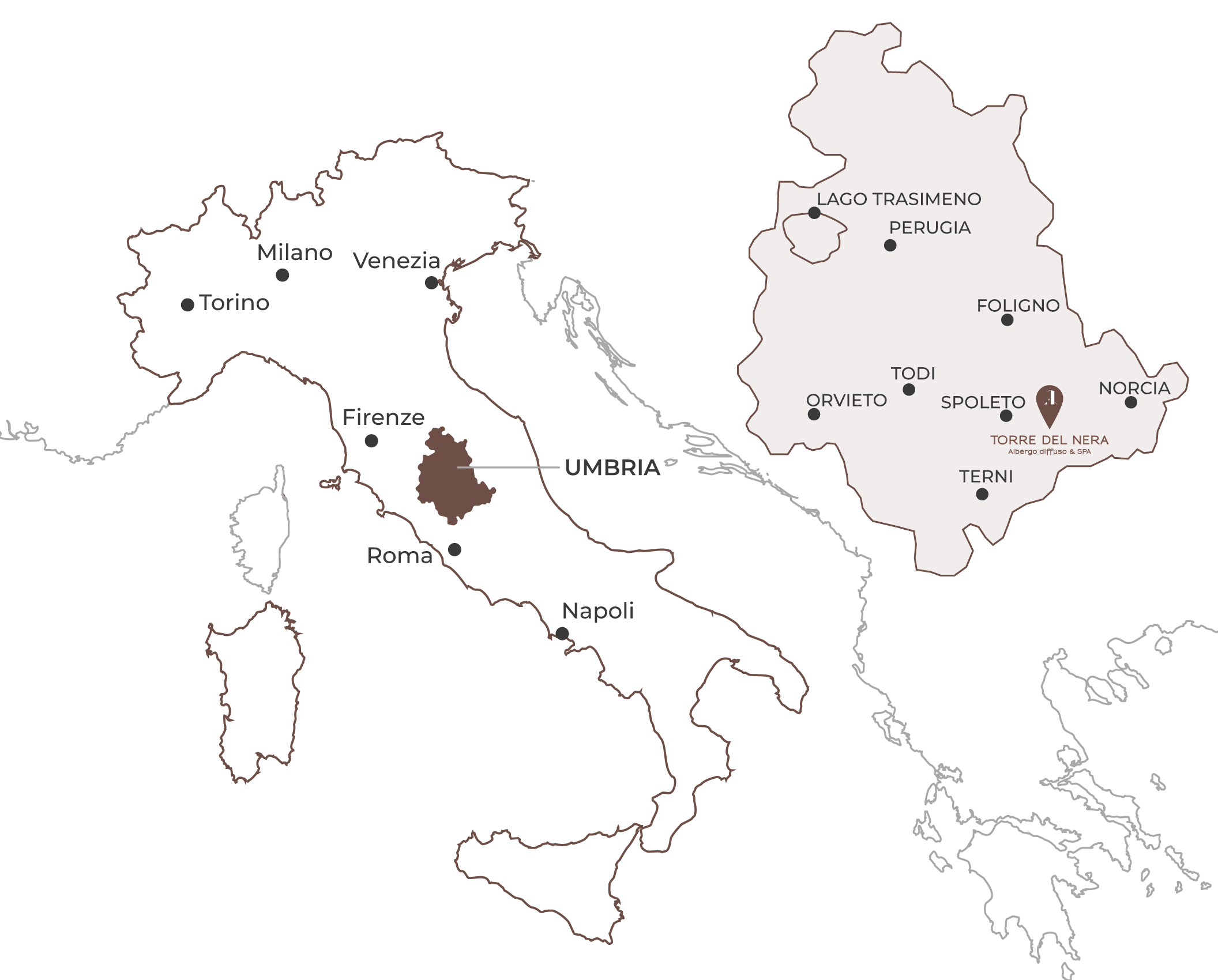
Torre del Nera is a convenient starting point for shaping different days, choosing a new direction each time: toward the Valnerina, toward Spoleto, toward Franciscan Umbria, toward the Sibillini, or the cities of art. In the evening, you return to Scheggino, into the silence of the village, with the feeling of having crossed not one Umbria, but many.
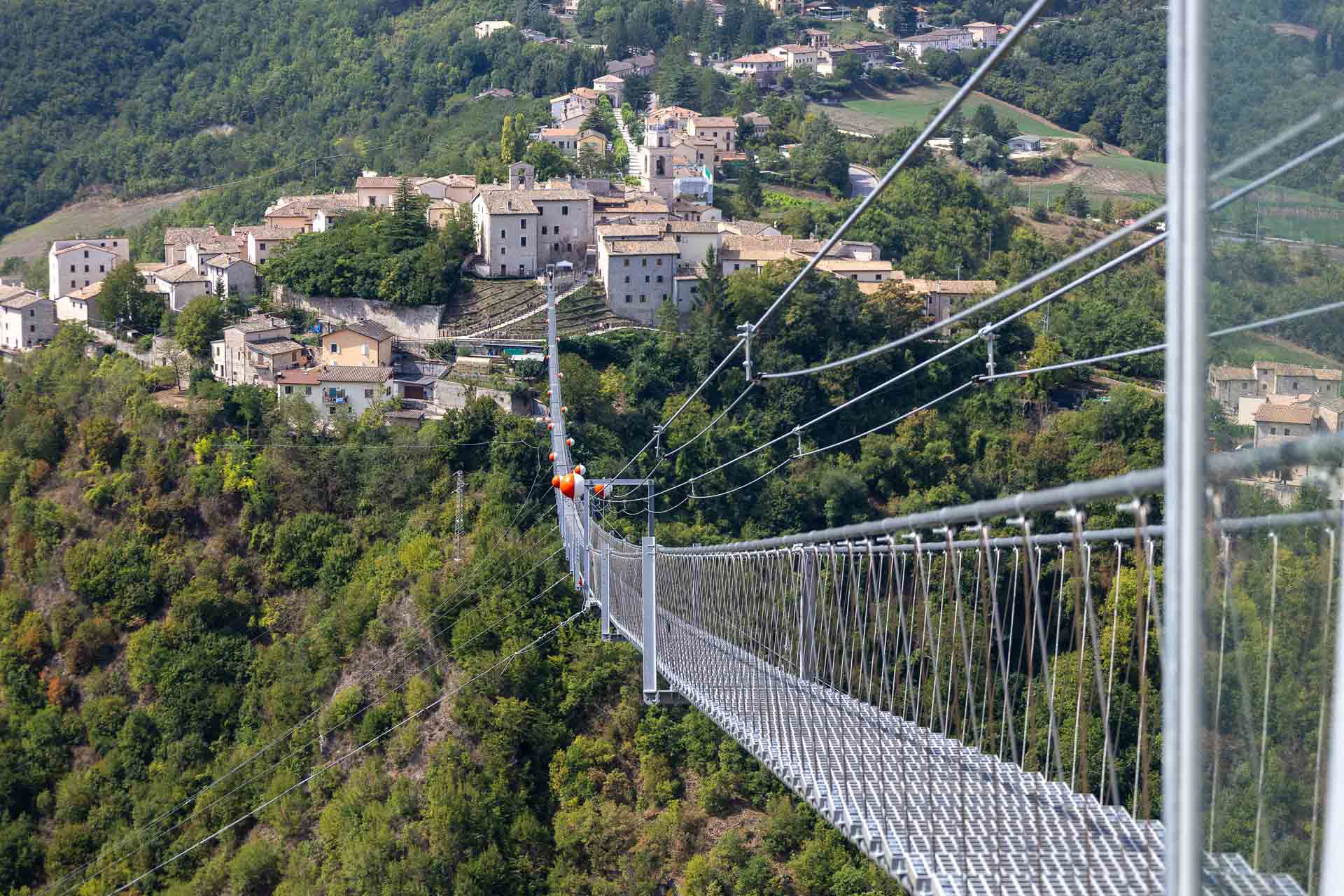
In Sellano, between the historic center and the village of Montesanto, the Tibetan Bridge crosses the valley with a suspended and spectacular path. It is a destination suited to those looking for a more dynamic experience, capable of bringing together landscape, height, and movement. The bridge starts from the historic center of Sellano and can be crossed one way, on foot.
Beyond the crossing itself, it is worth stopping in the village: Sellano preserves a secluded character, with stone glimpses, views of the mountains, and a gathered dimension that makes the visit feel more complete.
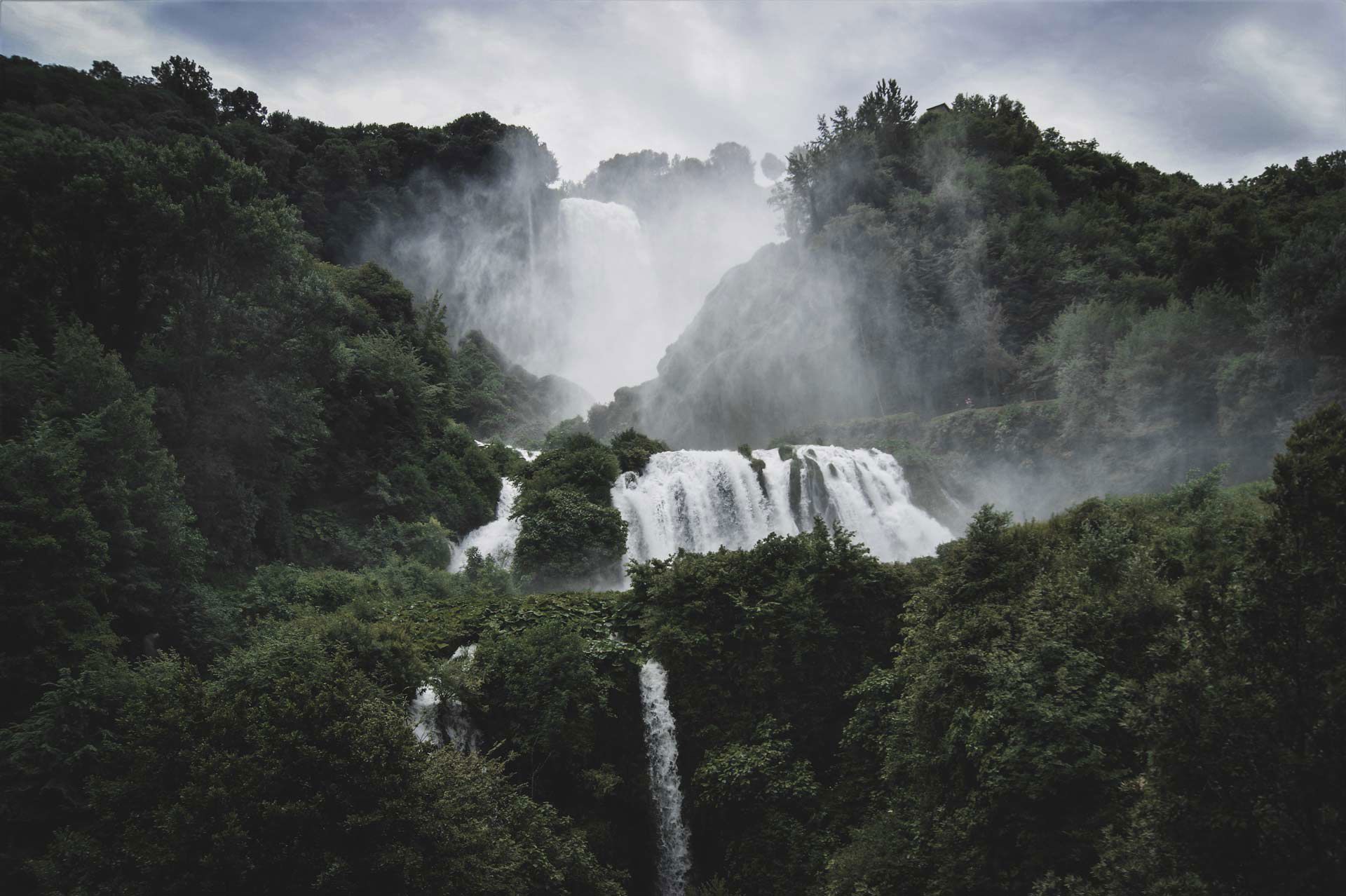
Marmore Falls are one of Umbria’s most imposing water landscapes. The visit does not end before the main drop: inside the park, six trails wind through vegetation, natural caves, and different viewpoints from which to observe the waterfall from changing perspectives.
It is an ideal destination for those who love to walk and feel the force of water up close: the sound grows along the paths, the air fills with mist, the light shifts constantly between trees and spray.
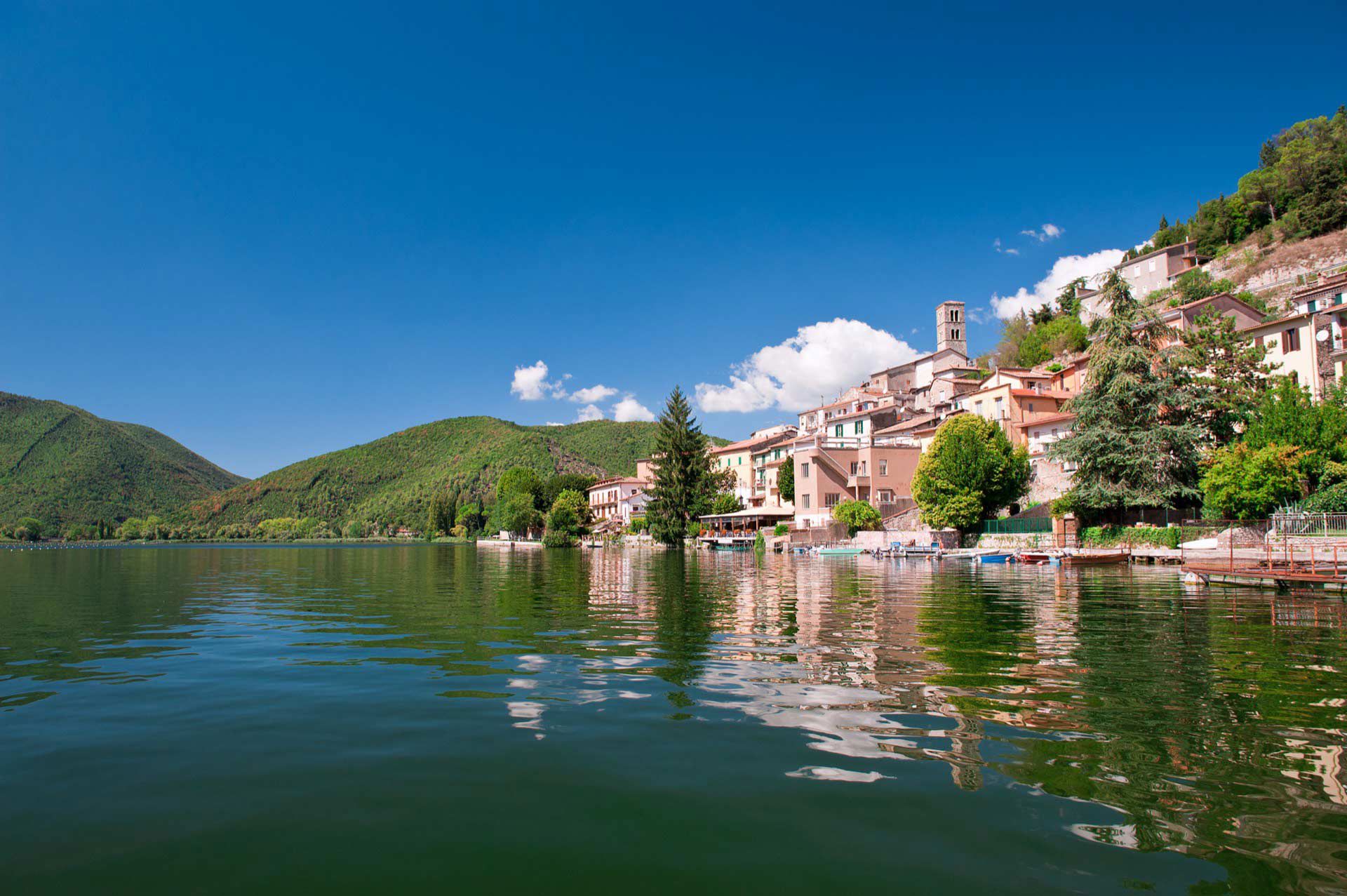
Lake Piediluco is Umbria’s second natural lake basin after Trasimeno, resting in a green and silent landscape. It has an atmosphere different from the more monumental destinations: quieter, more horizontal, made of shores, reflections, boats, and houses overlooking the water. It is a perfect destination to combine with Marmore Falls or to visit between a walk along the lakeside, a lunch with a view of the water, and a visit to the village.
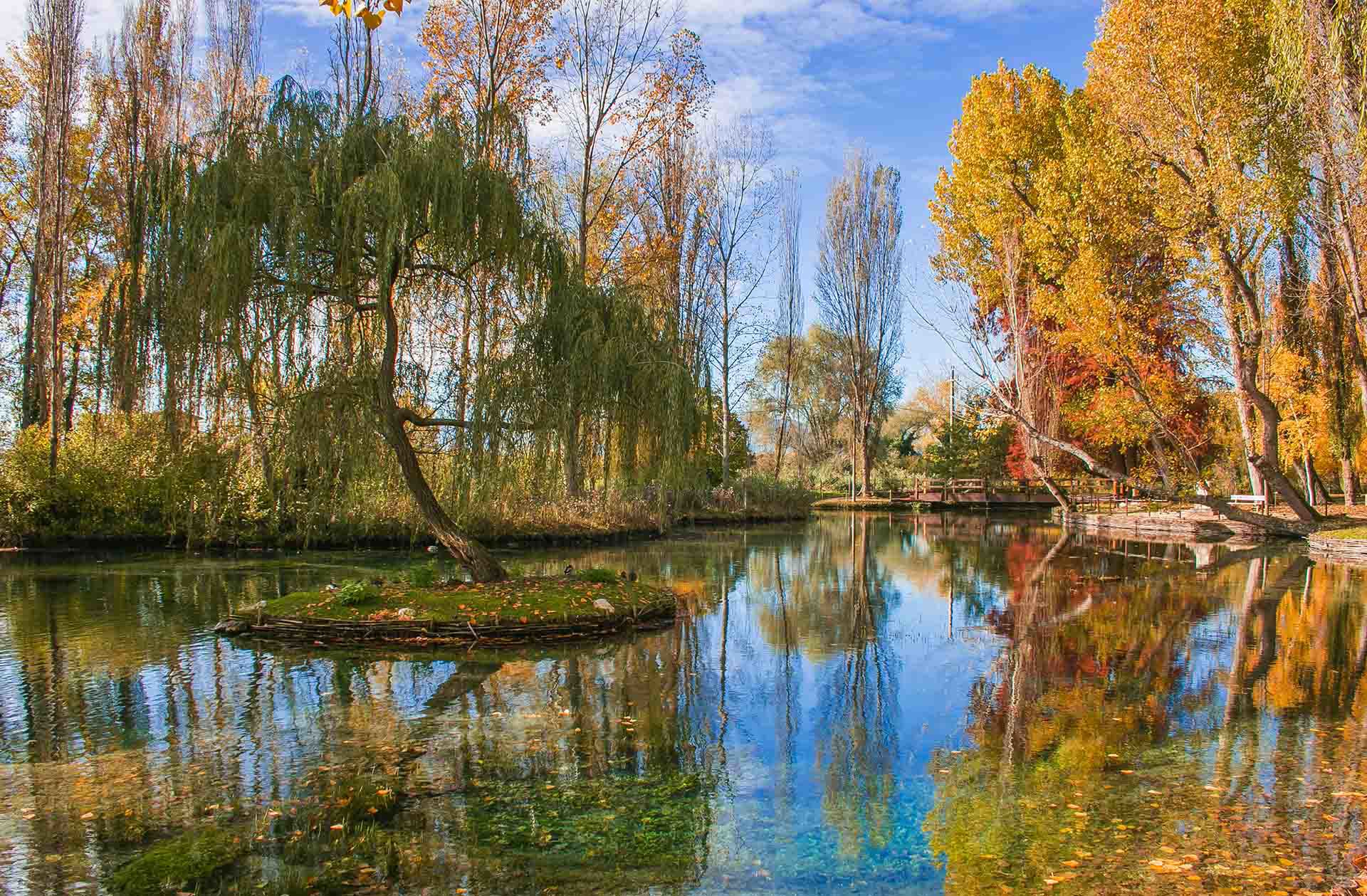
The Clitunno Springs are a place of clear water, vegetation, and reflections. The springs of the Clitunno River form a small lake in emerald tones, fed by underground pools visible on the bottom.
The visit can continue to the nearby Tempietto del Clitunno, a small building of Lombard origin included in the UNESCO serial site “The Longobards in Italy.” It is a brief but precious stop: nature, architecture, and ancient memory gathered into a space of great measure.
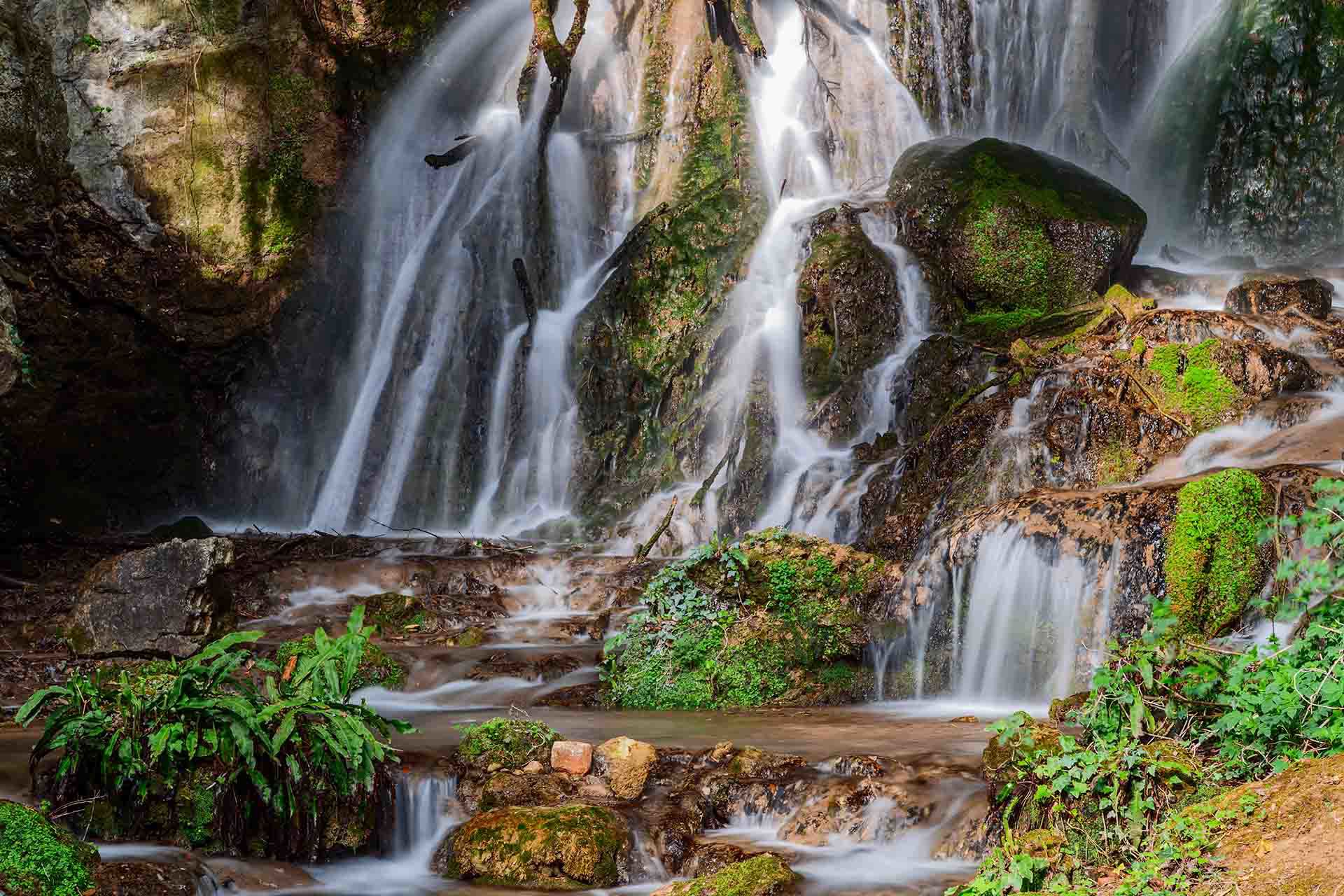
The Menotre Waterfalls, near Pale, are one of central Umbria’s most pleasant excursions. The route crosses the Altolina Park, where the Menotre River descends among rocks, vegetation, and small leaps of water, creating fresh, shaded glimpses.
They are suited to those seeking a nature less solemn and more close at hand: a trail to walk in comfortable shoes, the sound of water always nearby, the possibility of continuing toward the village of Pale and, with more time, toward the Hermitage of Santa Maria Giacobbe.
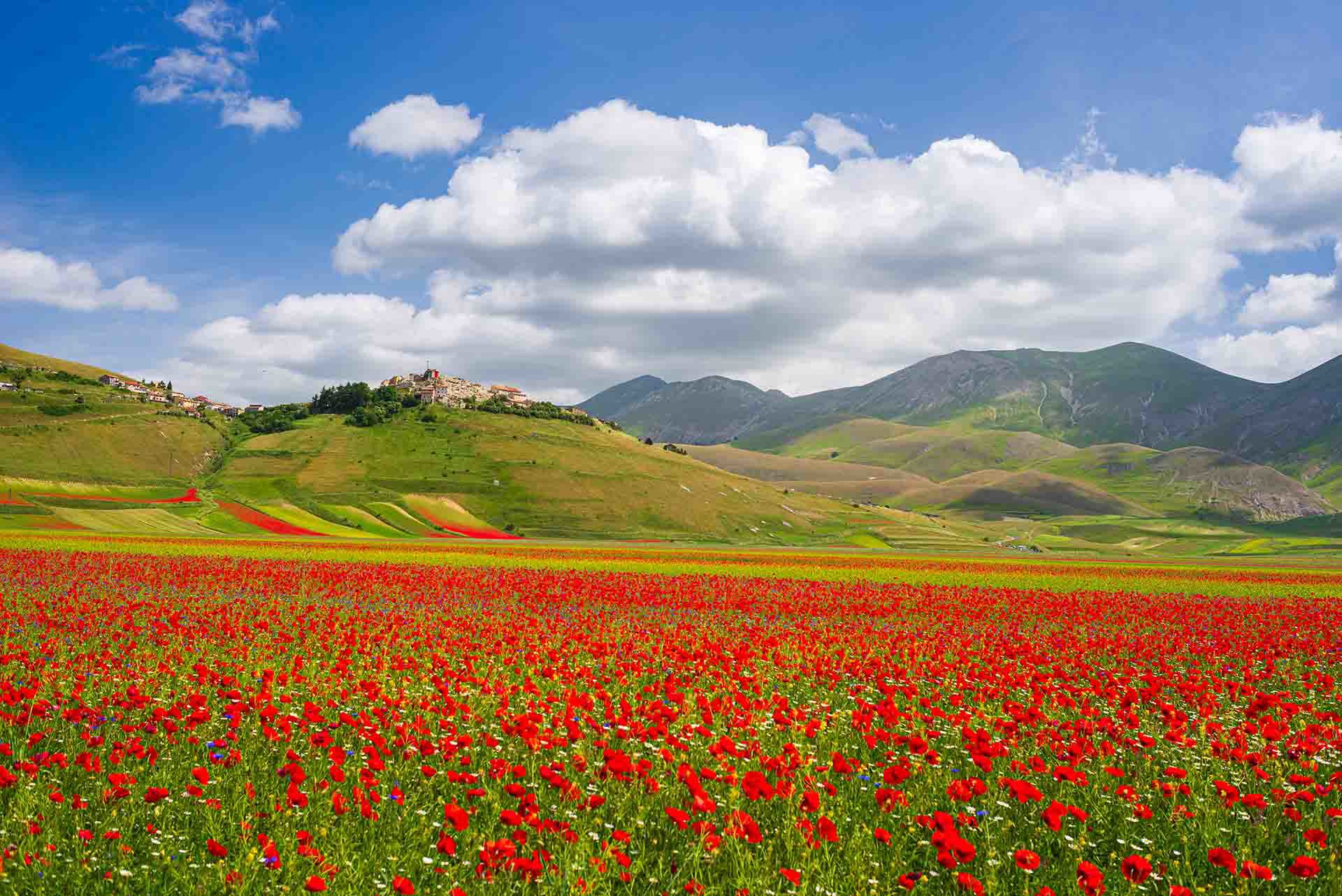
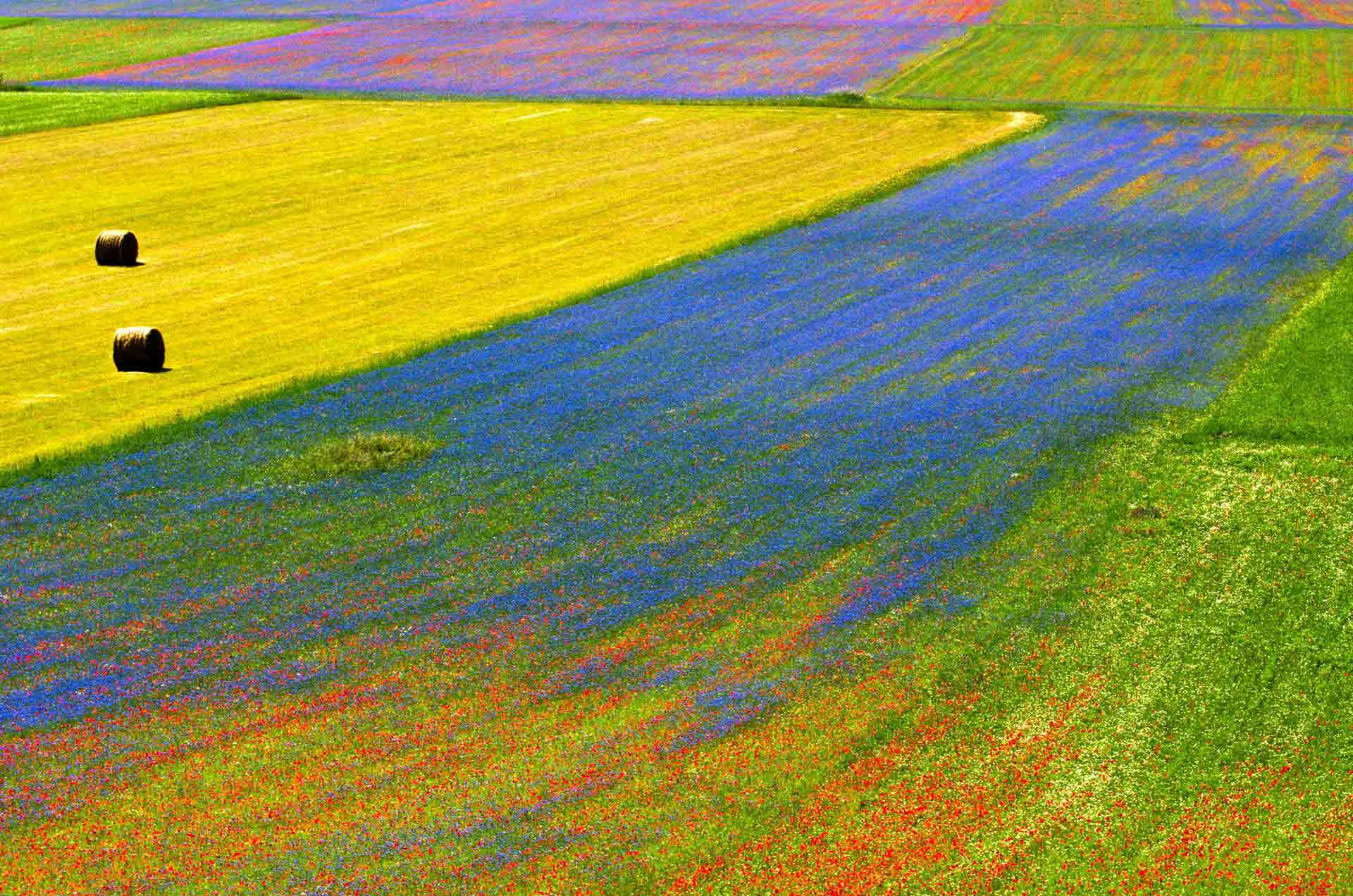
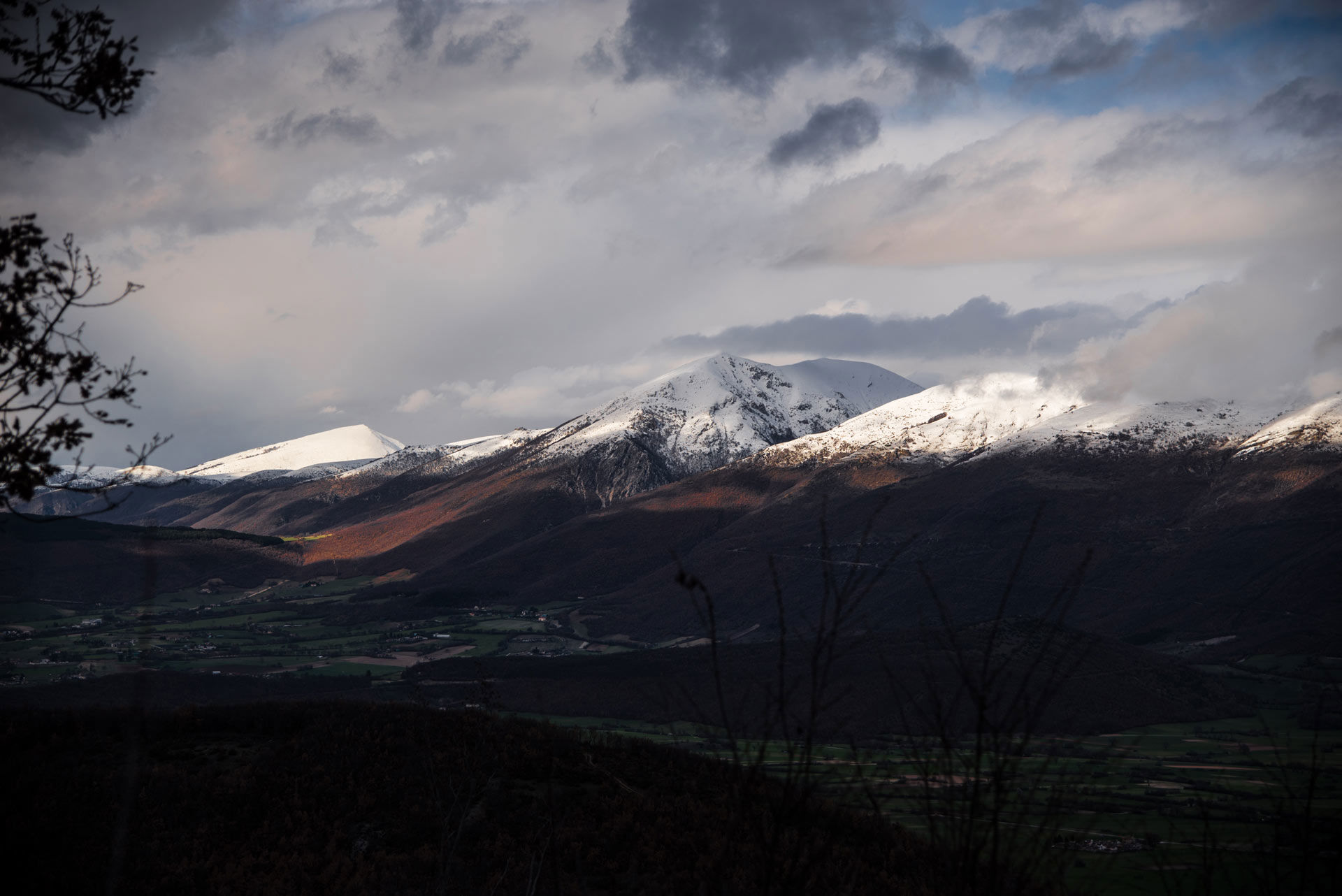
Monti Sibillini National Park opens onto a higher, wider, more mountainous Umbria. This is the land of great plateaus, ridges, high-altitude villages, and the blooms of Castelluccio, which between May and the first days of July reach one of the most recognizable moments of the year.
Here the landscape changes radically from the valley: the gaze widens, the trails become more airy, nature takes on a more essential character. It is a destination to choose for trekking, photography, panoramic walks on foot or horseback, and days in the open air.
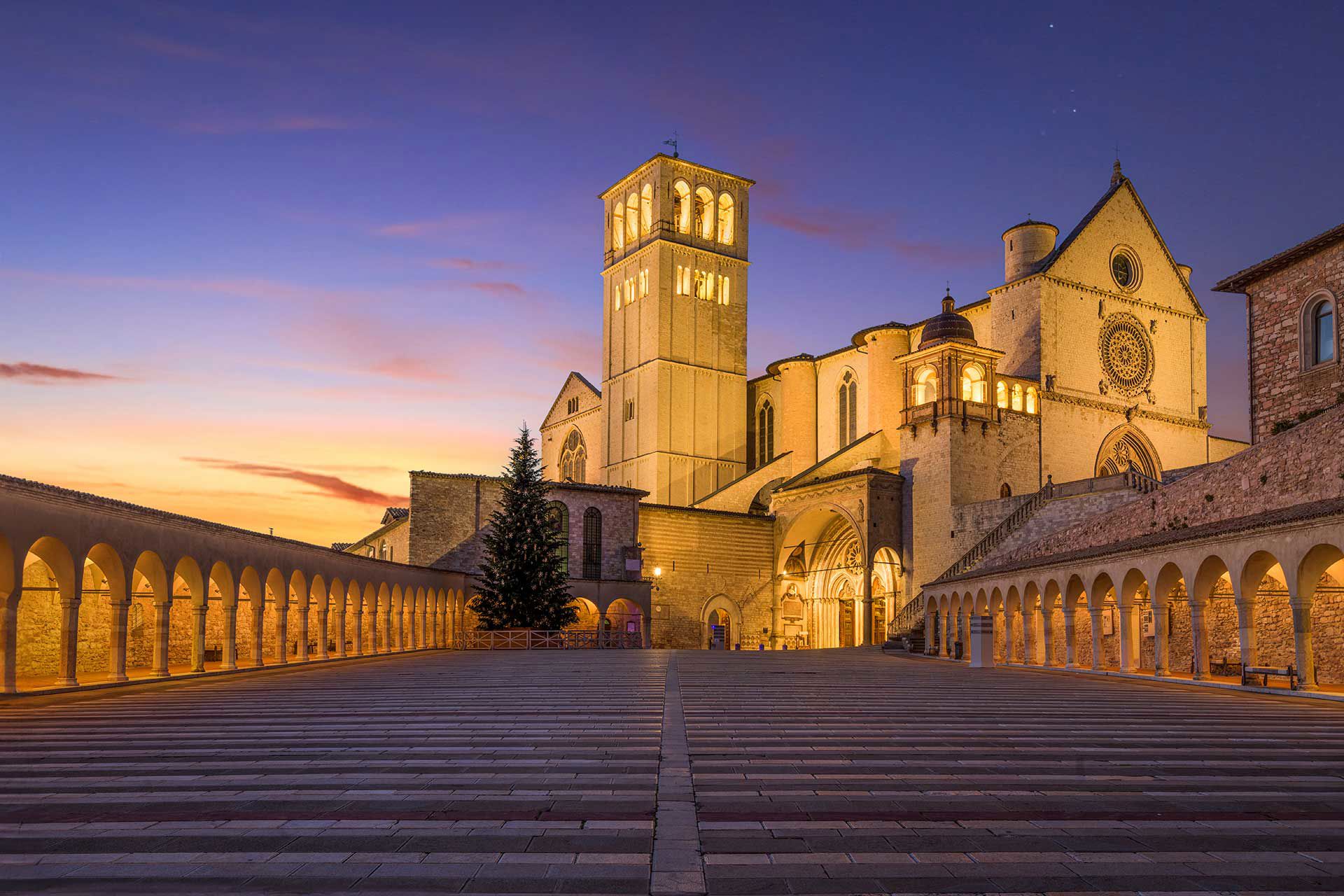
Assisi is one of Umbria’s most recognizable cities, yet it still preserves an intimacy that can be felt while walking its uphill streets. The Basilica of Saint Francis, the squares, the pale stone, the views over the valley, and the places tied to the saint’s life make up an intense visit, to be experienced without hurry.
In Santa Maria degli Angeli is the Porziuncola, preserved inside the great basilica: a central place in Franciscan memory, tied to the birth of the Order and to the life of Saint Francis.
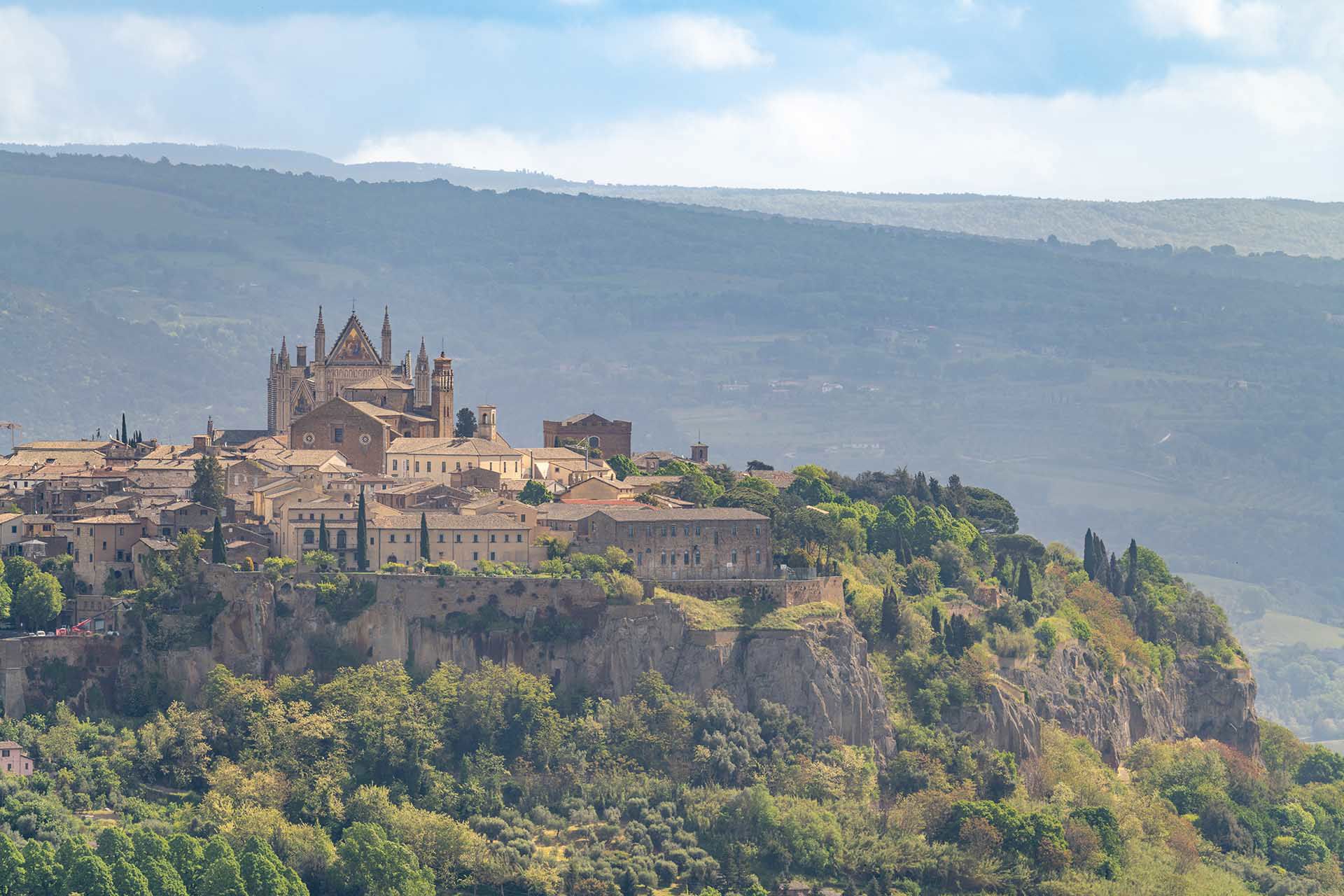
Orvieto appears from afar on its tufa cliff, with a compact and scenic profile. The Duomo is the heart of the visit: the façade, the Chapel of San Brizio, and the richness of its decorative elements make it one of Umbria’s most important monuments.
Alongside the city above ground, Orvieto also guards an underground dimension. Saint Patrick’s Well, 53 meters deep and built with a double independent helical staircase, is one of the masterpieces of Renaissance engineering.
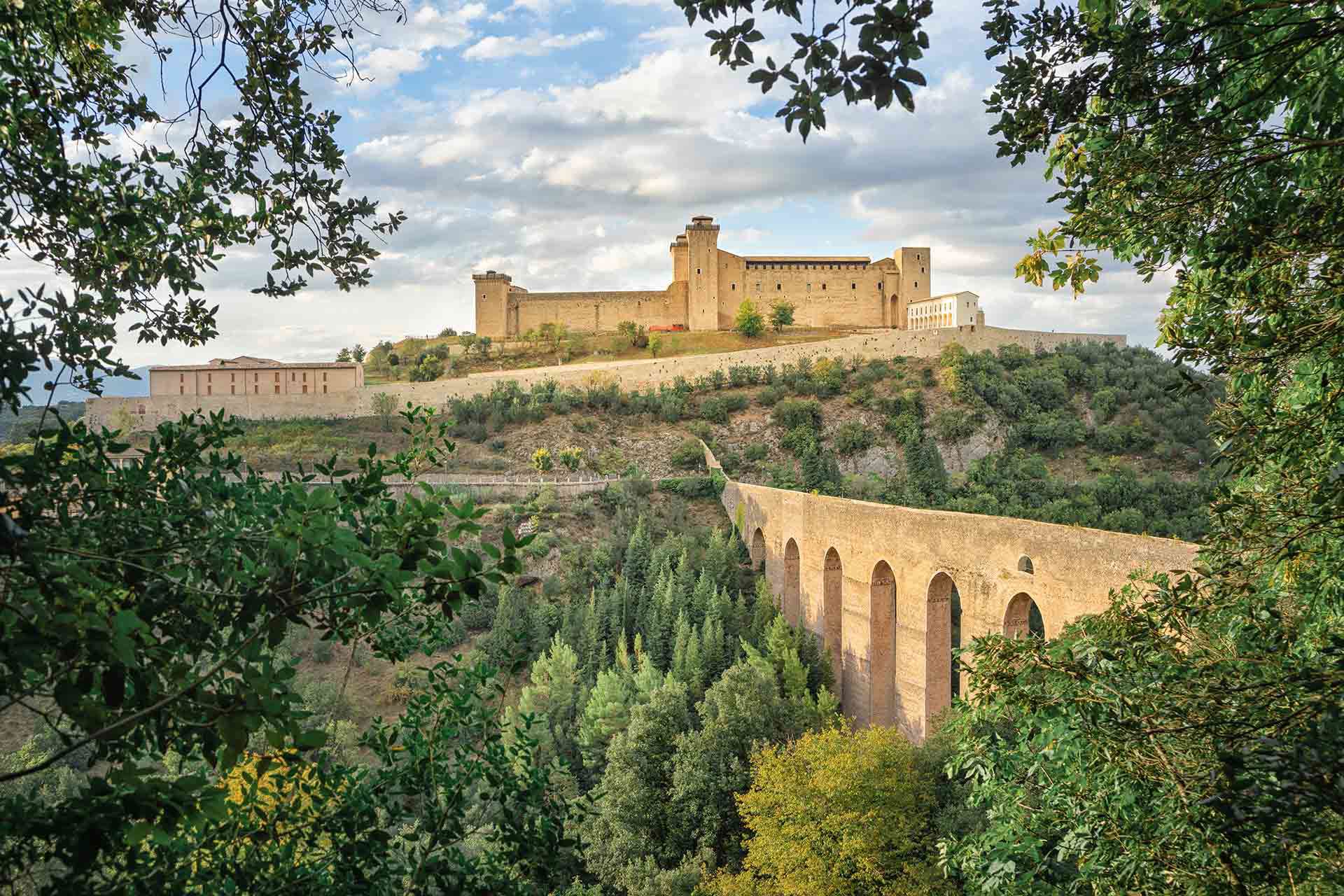
Spoleto is a city to be explored on foot, allowing monuments, lanes, and landscape to alternate naturally. The Duomo, the Rocca Albornoziana, the Roman Theater, and the Ponte delle Torri compose an itinerary that is rich, yet readable even in a single day.
It has an elegant and severe character, with climbs, squares, sudden glimpses, and a strong relationship with the surrounding valley. It is ideal for those seeking art, history, and a living Umbrian city, not reduced to a simple postcard.
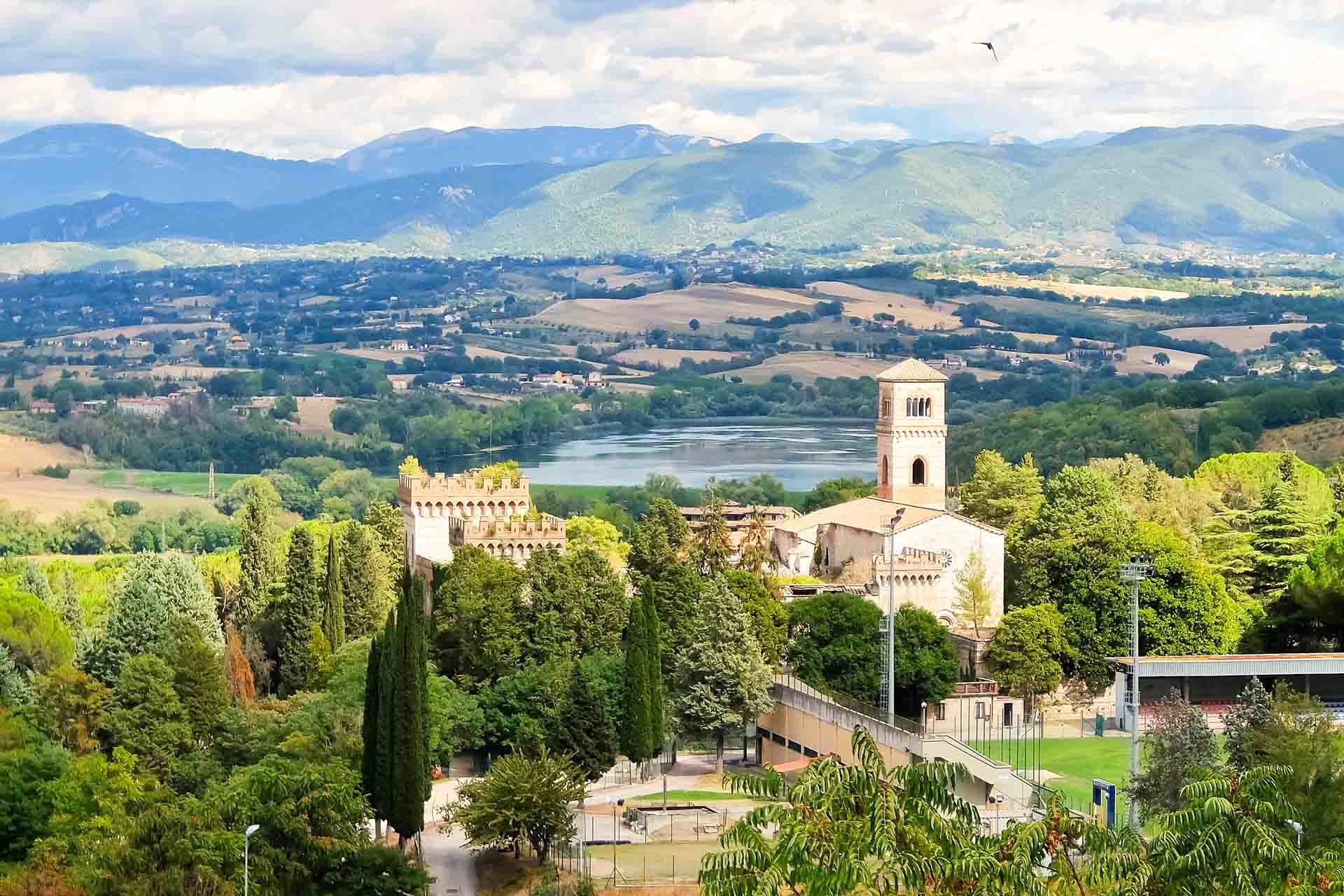
Narni preserves a compact, medieval historic center, rich in lanes, squares, arches, and panoramic points. It is a city with a strong, layered presence, where a visit can remain on the surface among churches and palaces or descend below ground.
Narni Underground is one of the most surprising routes: it includes an ancient hypogeal church, spaces connected to the Inquisition tribunal, and traces of different eras, from Roman remains to medieval rooms.
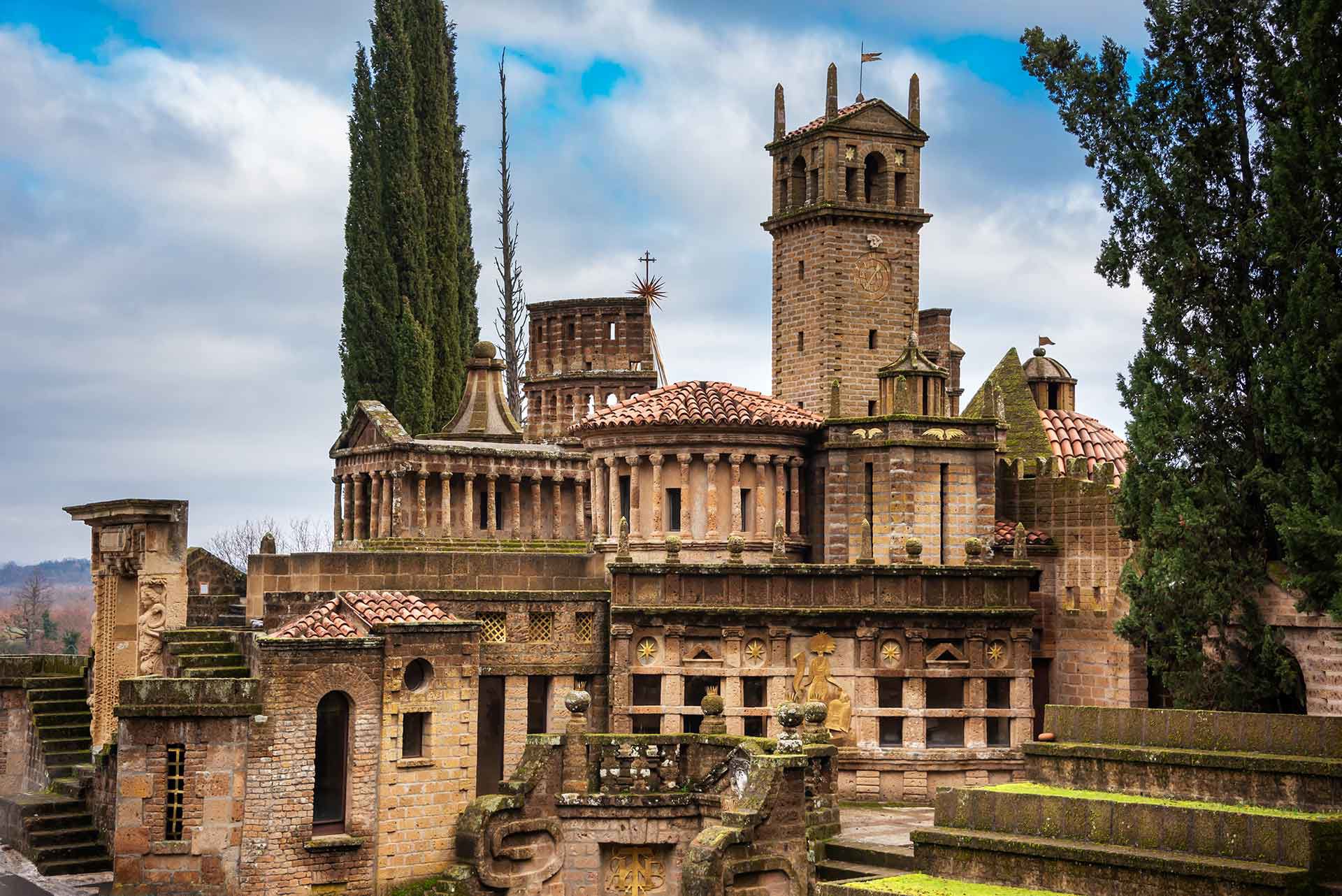
La Scarzuola is one of Umbria’s most unusual destinations. It is located in Montegabbione and is tied to the figure of architect Tomaso Buzzi, who designed his “ideal city” here: a visionary, theatrical complex, built with stairways, symbols, geometries, deliberate disproportions, and labyrinthine paths.
It is not a conventional visit. La Scarzuola asks for attention, curiosity, and a willingness to enter a language made of architecture, allegory, play, and mystery. It is perfect for those who love places outside any category.
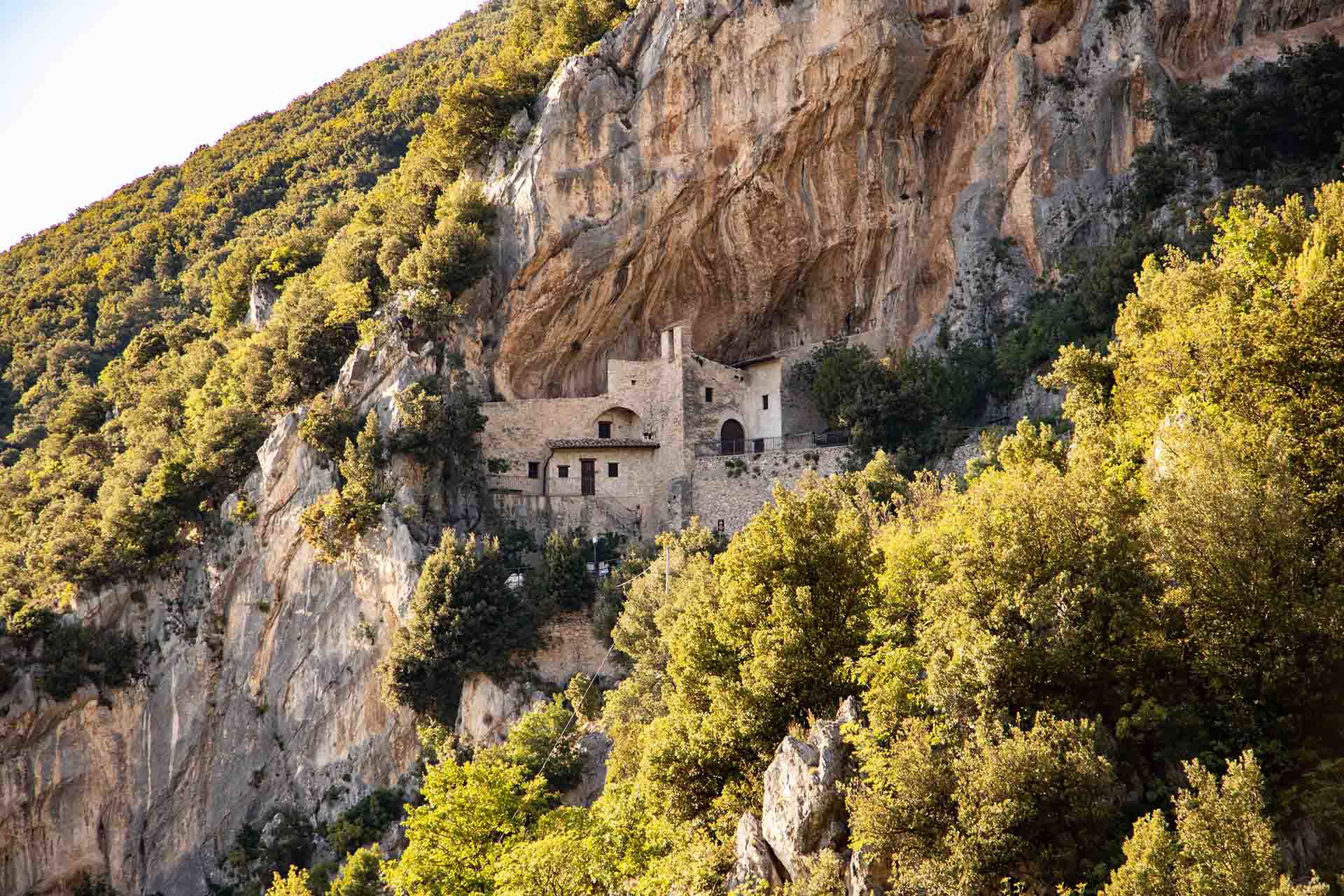
The Hermitage of Santa Maria Giacobbe is located near Pale, set into the rock along the old Via Plestina. It is a gathered place, reached by a short but meaningful climb, suited to those looking for a visit in which walking, silence, and landscape have the same importance as the destination.
The interior preserves frescoes and devotional testimonies; its position, suspended above the valley, makes it one of the most evocative places in the area. It can be combined with the Menotre Waterfalls for a day among water, stone, and trails.